


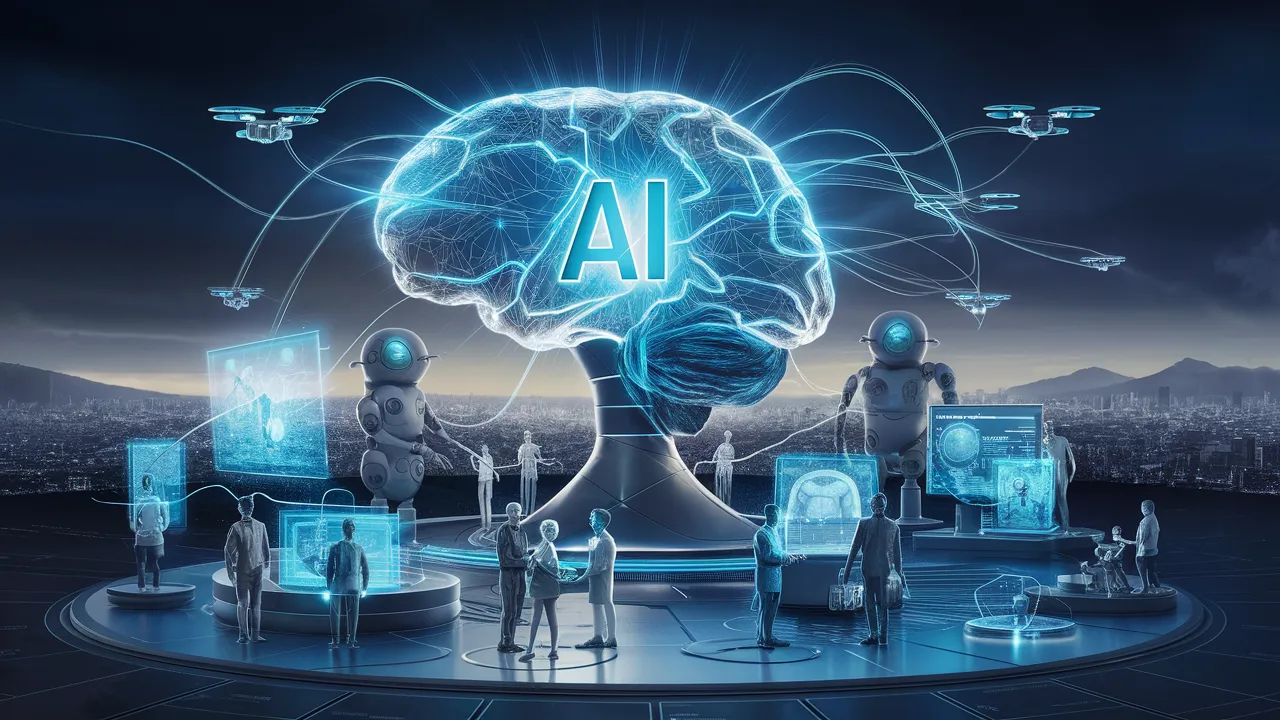
Artificial Intelligence (AI) has evolved from a futuristic concept into a reality that influences nearly every aspect of modern life. From personal assistants like Siri and Alexa to advanced predictive analytics in healthcare, AI is reshaping how we work, live, and interact with the world around us. As intelligent systems become more sophisticated, their potential impacts on society, economy, and culture are profound.
AI technology has seamlessly integrated into daily routines. Smart home devices, autonomous vehicles, and personalized recommendation engines are all powered by AI algorithms. These systems analyze vast amounts of data to make decisions faster and more efficiently than humans, enhancing convenience, productivity, and safety.
Industries worldwide are leveraging AI to optimize operations, reduce costs, and innovate faster. From financial services to manufacturing, intelligent systems enable real-time decision-making, predictive maintenance, and advanced risk analysis. The economic potential of AI is immense, promising efficiency gains but also raising concerns about workforce displacement.
As AI systems become more autonomous, ethical dilemmas emerge. Issues such as privacy, data security, algorithmic bias, and accountability for AI-driven decisions require careful attention. Policymakers, technologists, and society must collaborate to create guidelines that balance innovation with responsibility.
The future of AI promises continued innovation in areas such as natural language processing, computer vision, and robotics. Emerging technologies like quantum computing and AI-powered simulation models may further accelerate progress, enabling smarter cities, personalized education, and breakthrough scientific research.
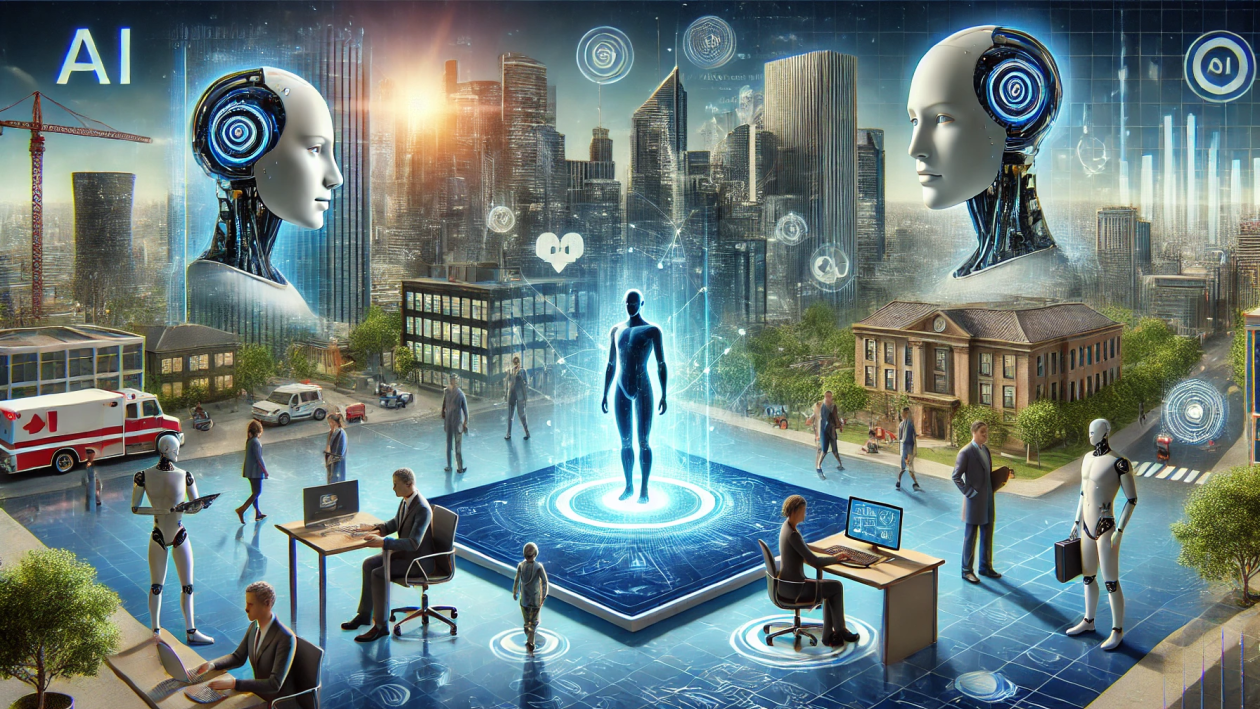
AI is no longer a distant possibility—it is here, reshaping society, economies, and daily life. While it presents remarkable opportunities for innovation and efficiency, it also brings significant ethical and societal challenges. By guiding AI development responsibly, humanity can harness its power to create a smarter, more connected, and equitable world.