


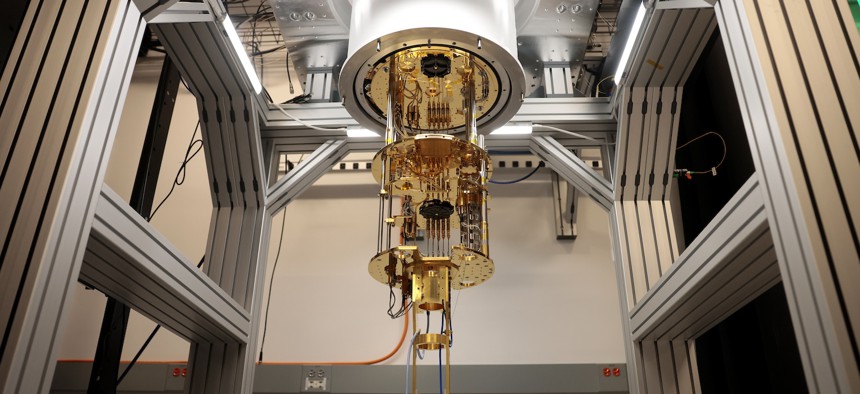
Quantum computing is no longer just a theoretical concept—it is quickly becoming a transformative technology with the potential to revolutionize industries from healthcare to finance. Unlike classical computers, quantum computers harness the principles of quantum mechanics, allowing them to perform complex calculations at unprecedented speeds. In this article, I explore the fundamentals, applications, and future possibilities of quantum computing.
At the core of quantum computing are qubits, which can exist in multiple states simultaneously thanks to superposition. This property, along with entanglement and quantum interference, enables quantum computers to solve problems that are intractable for classical systems.
While still in early stages, quantum computing is already showing promise in multiple fields:
Despite its potential, building practical quantum computers remains extremely challenging:
Several organizations are at the forefront of quantum computing innovation:
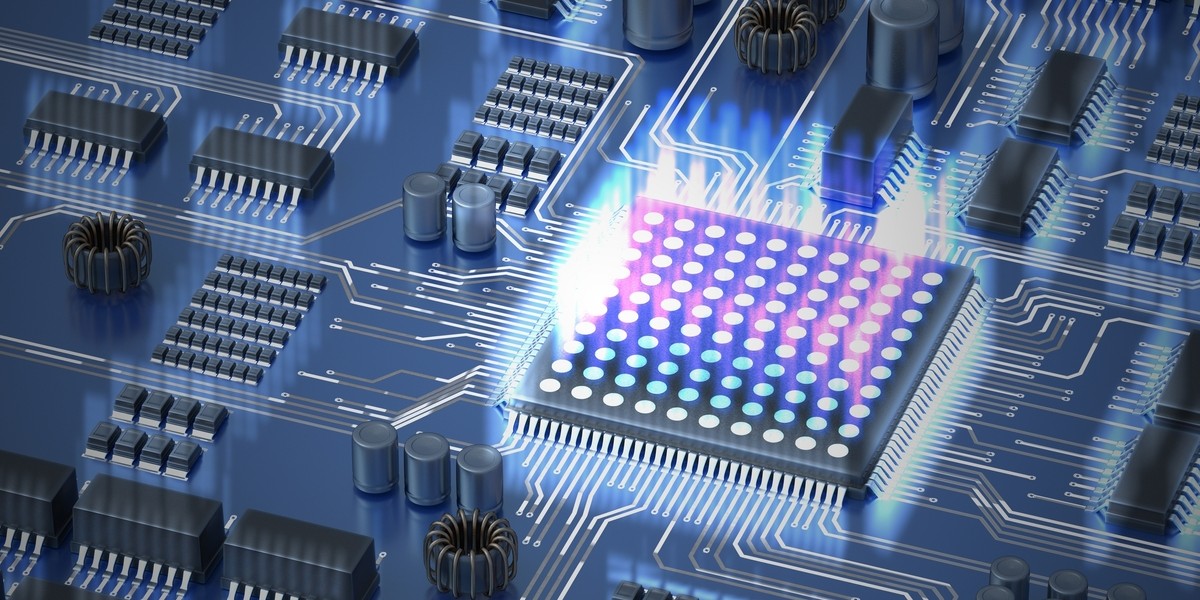
Quantum computing could redefine the technological landscape in the coming decades. Potential breakthroughs include:
Quantum computing represents a paradigm shift in how we process information. While still emerging, it holds the promise to solve problems that classical computers cannot handle. By continuing research, collaboration, and technological development, humanity may soon enter a new era of computation—one where possibilities are truly limitless.