


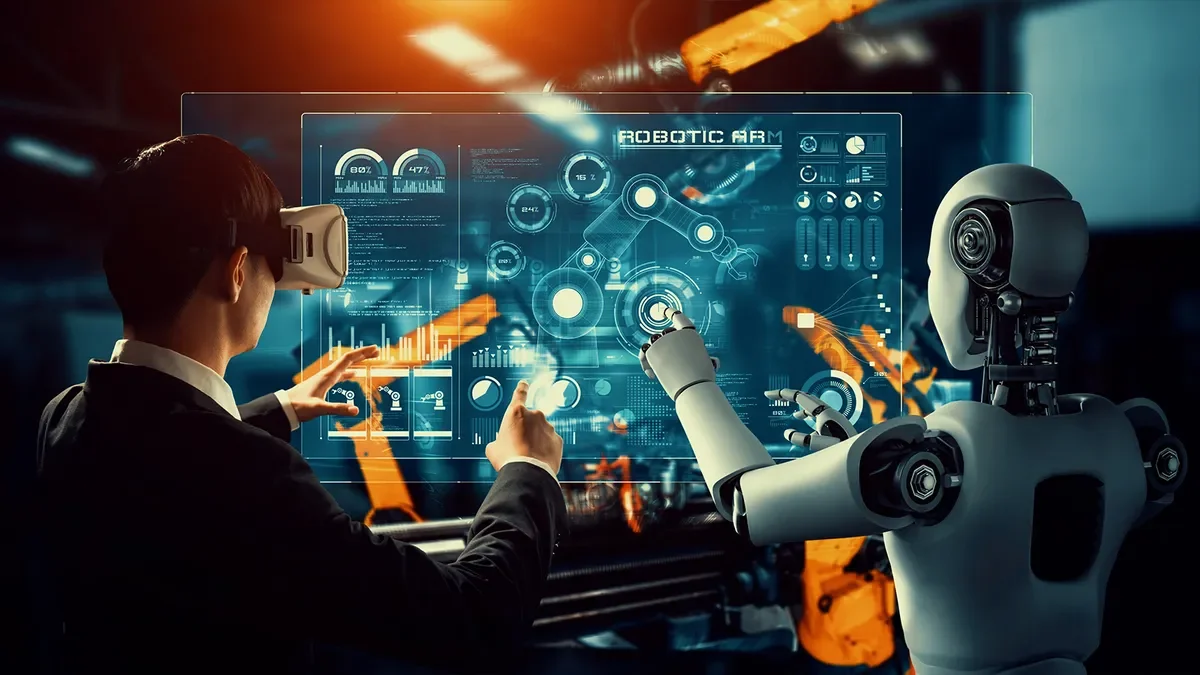
Robotics is no longer confined to science fiction—it has become a powerful reality shaping the modern world. From manufacturing and healthcare to agriculture and logistics, intelligent machines are transforming the way industries operate. As artificial intelligence (AI) merges with robotics, we are witnessing the dawn of a new era where automation, precision, and efficiency reach unprecedented levels.
Robotics involves the design, creation, and operation of machines capable of performing tasks autonomously or semi-autonomously. Modern robots combine mechanical engineering, computer science, and AI to analyze data, make decisions, and execute actions in real time.
The influence of robotics extends to nearly every sector of the global economy. These intelligent systems are not just improving productivity—they are redefining entire workflows.
The integration of robotics with artificial intelligence, machine learning, and the Internet of Things (IoT) has led to rapid advancements in robot design and functionality. Robots can now learn from experience, recognize objects and people, and adapt to changing environments.
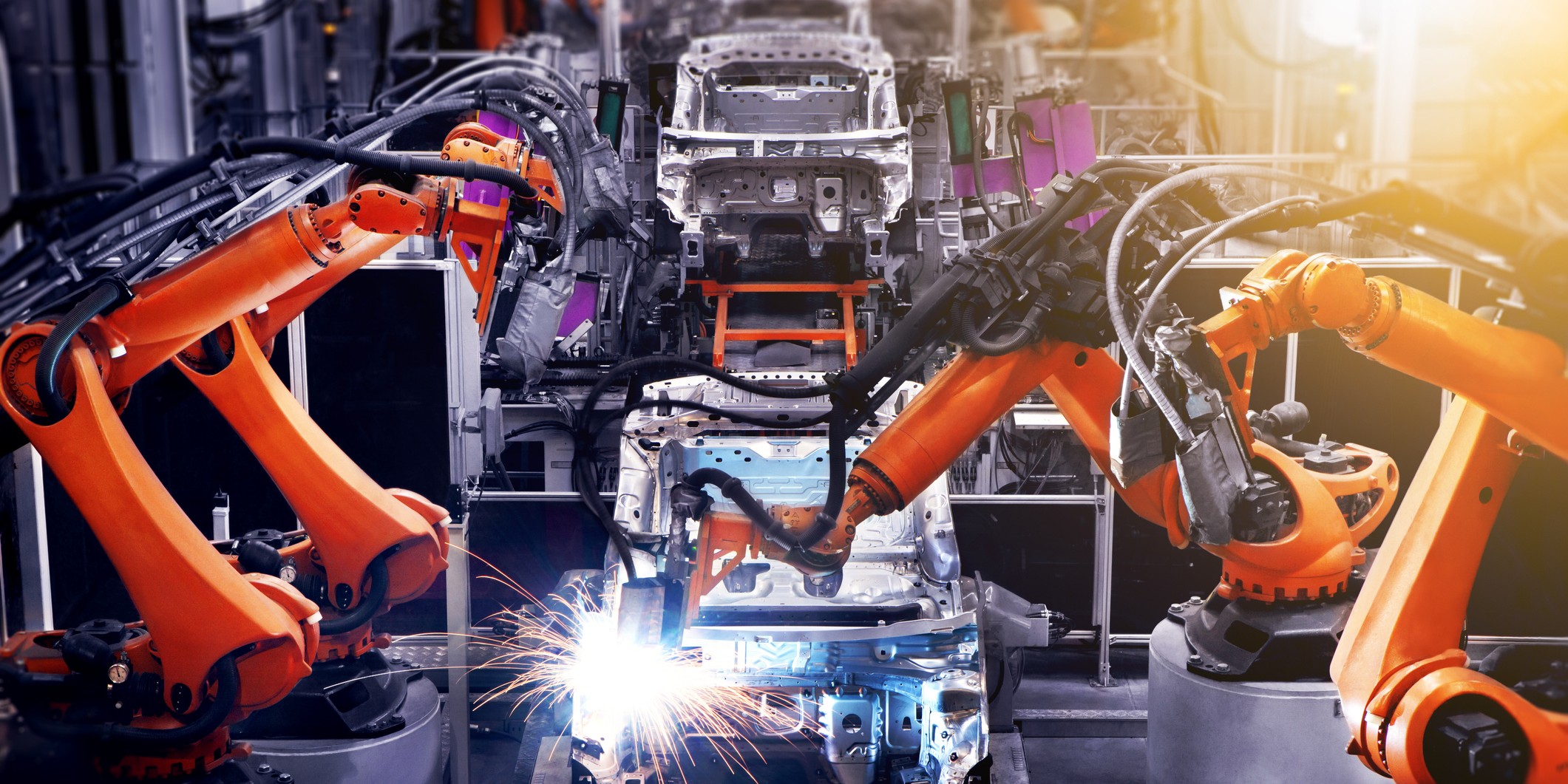
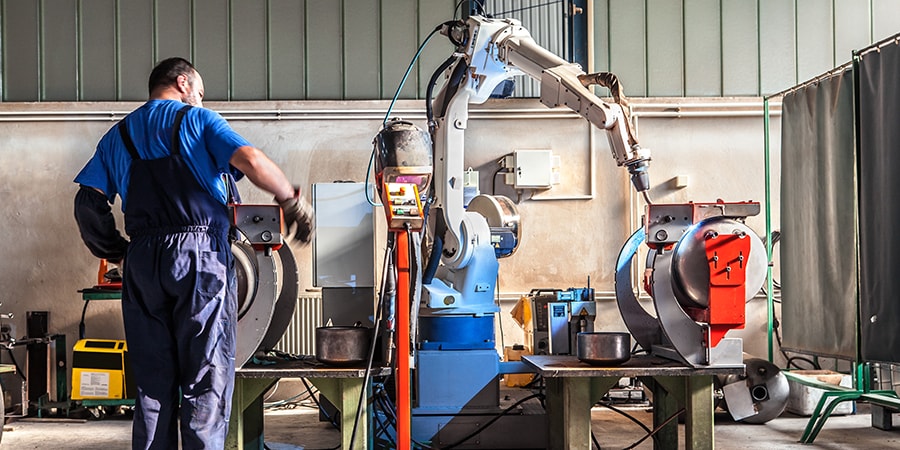
As robotics adoption increases, it raises important ethical and economic questions. While automation enhances productivity, it also disrupts traditional labor markets and challenges existing job structures. Ensuring that technology benefits humanity requires responsible innovation and fair workforce transition strategies.
The next generation of robots will be even more intelligent, autonomous, and collaborative. From humanoid assistants to swarm robotics and space exploration bots, the boundaries of what machines can achieve are expanding rapidly. Robotics will continue to enhance human capabilities rather than replace them, shaping a future where humans and machines work hand in hand.
Robotics is transforming industries and redefining how we work, live, and innovate. As intelligent machines evolve, they bring both opportunities and challenges. Embracing this technological revolution responsibly will pave the way for a smarter, safer, and more efficient future—one where robots empower humanity to reach new heights of progress and creativity.