


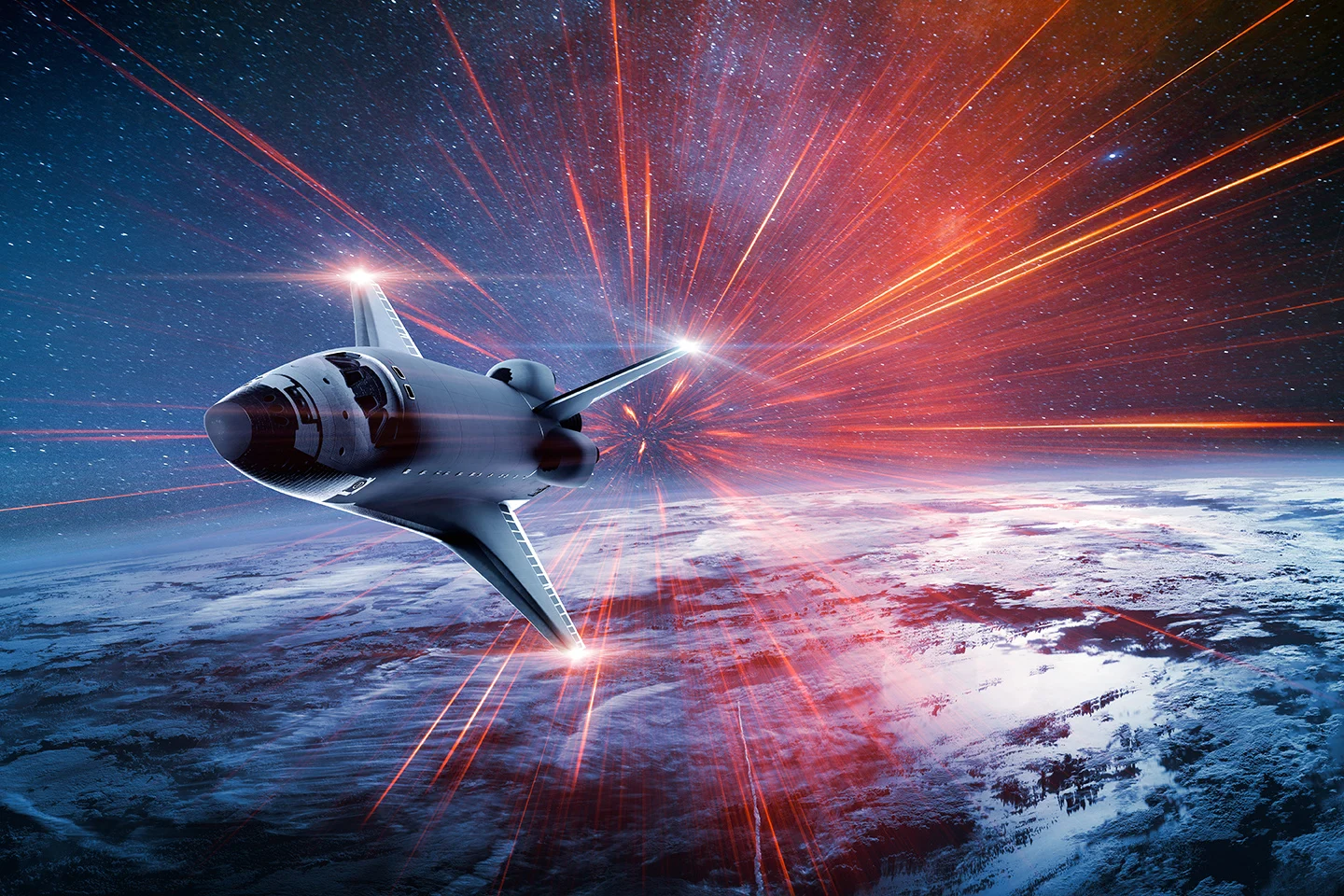
Humanity's fascination with the cosmos has reached unprecedented heights in recent years. Universal space missions are now exploring distant planets, moons, and asteroids, revealing insights that were once considered science fiction. In this article, I share my reflections on some of the most exciting space missions and their significance for our understanding of the universe.
Several missions have captured global attention, pushing the boundaries of technology and human knowledge. Among them:
Each mission contributes to humanity's knowledge of space, from planetary science to astrophysics. Understanding planetary atmospheres, surface composition, and potential for life allows scientists to test theories about the formation and evolution of celestial bodies.
The challenges of space missions drive remarkable technological advances. Autonomous navigation, high-resolution imaging, and precision landing systems are just a few examples of innovations that have applications both in space and on Earth.
Modern space exploration is increasingly collaborative, involving multiple countries and private enterprises. This synergy accelerates innovation, shares costs, and promotes peaceful use of space.
Space exploration is not without challenges. Funding constraints, technological limitations, and planetary protection concerns must be addressed. Ethical considerations include avoiding contamination of celestial bodies and ensuring responsible use of space resources.
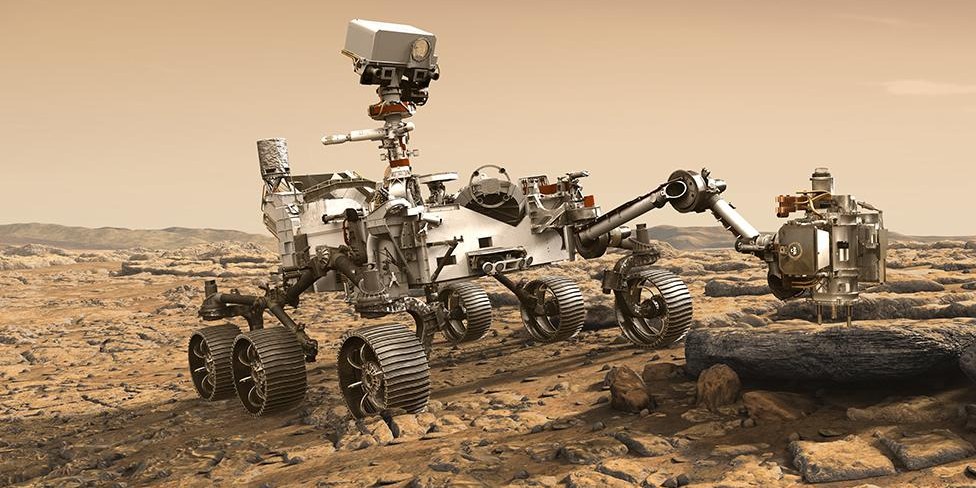
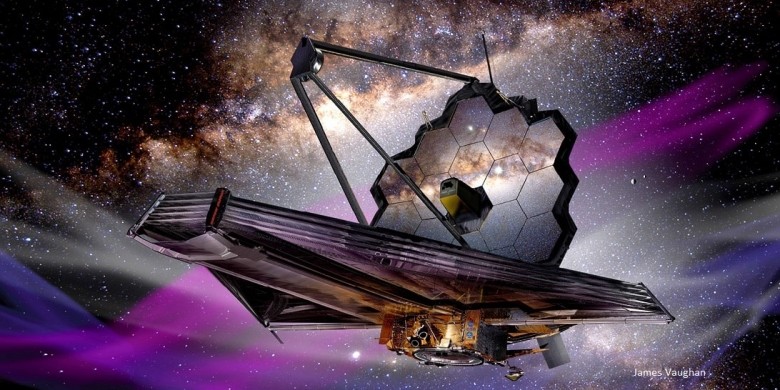
The next decade promises ambitious missions to Mars, asteroids, and beyond. With advances in robotics, AI, and propulsion technologies, humanity is poised to explore deeper into the universe, potentially discovering new worlds and unraveling the mysteries of our cosmic origins.
Recent universal space missions have expanded the horizons of human knowledge and inspired curiosity across generations. By investing in exploration, collaboration, and technology, we move closer to understanding our place in the universe. The stars are no longer distant—they are a destination, and the journey has only just begun.