


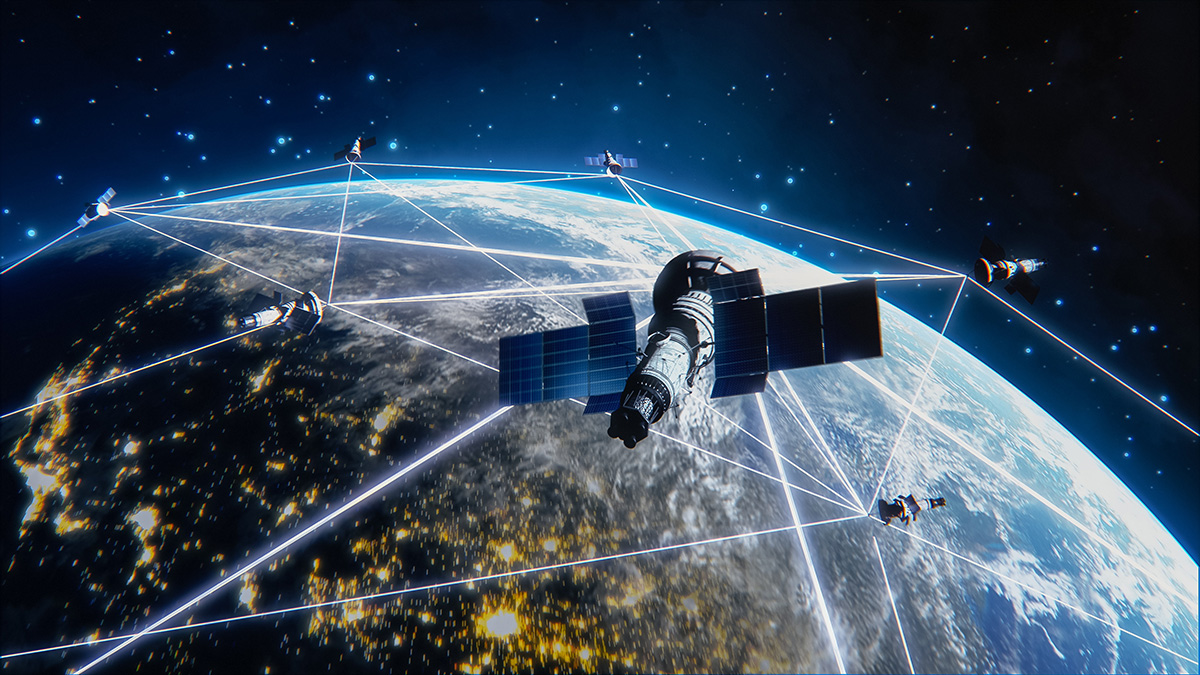
Humanity’s fascination with space has driven innovation for decades, but the 21st century is witnessing an unprecedented leap in space technology. From reusable rockets to AI-powered satellites and lunar habitats, these cutting-edge advancements are redefining how we explore the cosmos. As nations and private companies race to expand human presence beyond Earth, the technologies driving this new space age are becoming more intelligent, sustainable, and collaborative.
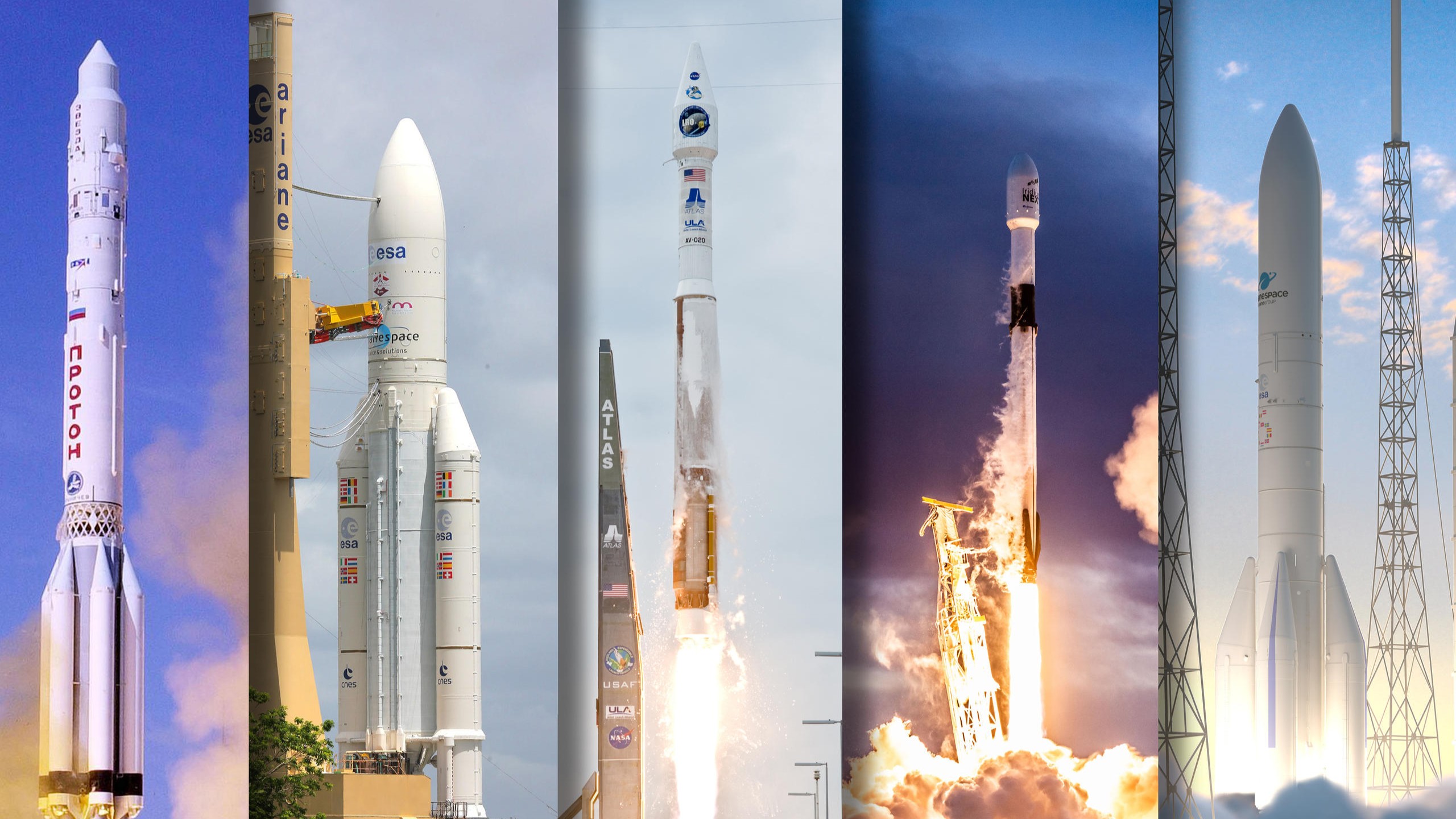
One of the most significant breakthroughs in modern space exploration is the development of reusable rocket systems. Traditional rockets were costly and single-use, but companies like SpaceX and Blue Origin have changed that paradigm by creating rockets that can land and be reused multiple times.
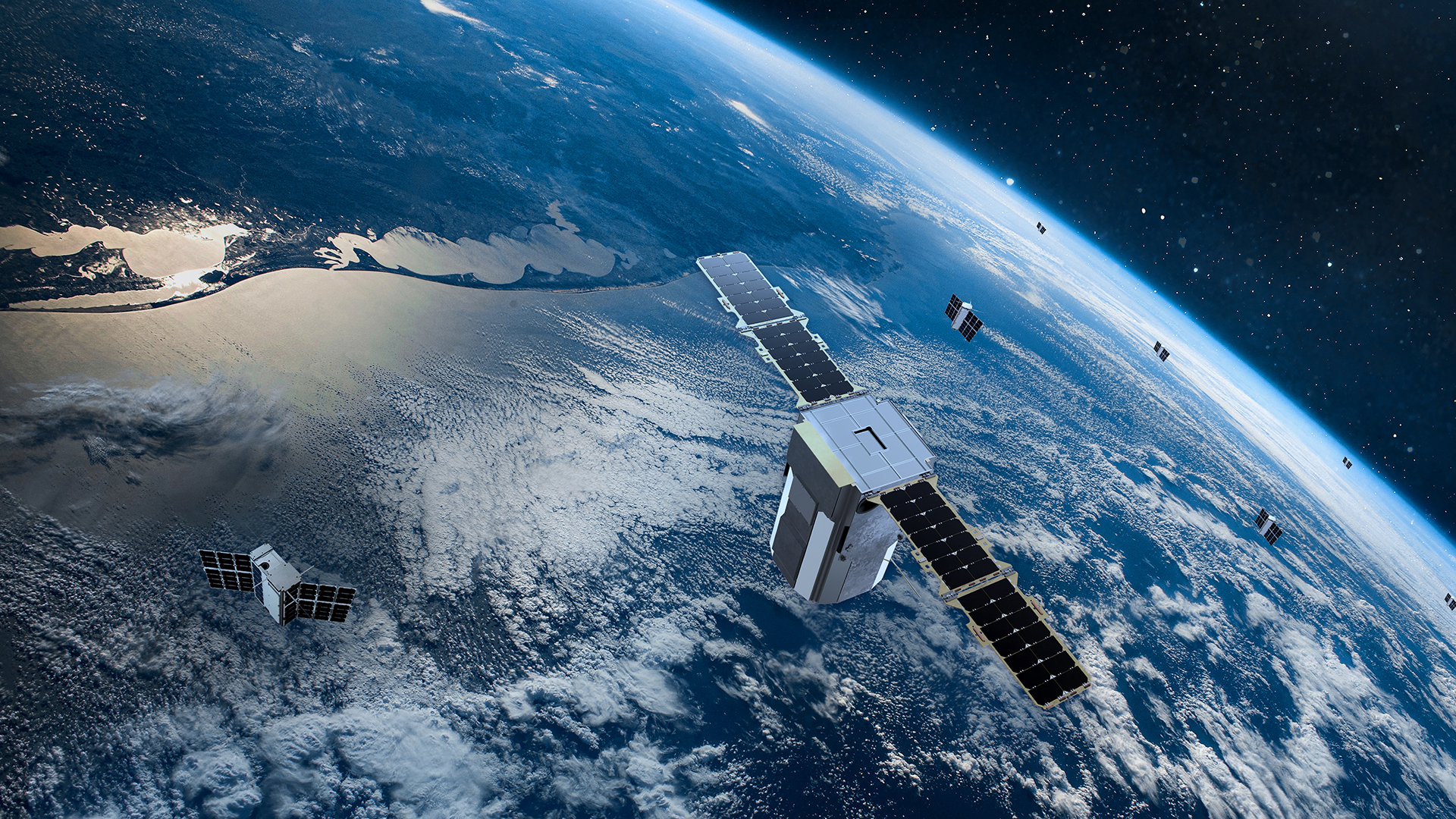
Satellites are the backbone of communication, navigation, and Earth observation. New-age satellites are smaller, smarter, and capable of performing complex operations autonomously. They help us monitor climate change, support global internet access, and even aid disaster management.
Artificial Intelligence (AI) is revolutionizing how space missions are conducted. From autonomous navigation to predictive maintenance, AI systems allow spacecraft to make decisions independently, especially during deep space missions where communication delays are significant.
As space agencies plan long-term missions to the Moon and Mars, sustainable habitation becomes a priority. Future habitats will rely on 3D printing, closed-loop life support systems, and local resource utilization to support human life beyond Earth.
Robotic explorers are paving the way for future human missions. Rovers, landers, and drones are increasingly equipped with autonomous navigation, AI analysis, and robust mobility systems to explore distant worlds like never before.
Space technology is advancing at a pace once thought impossible. With reusable rockets, intelligent satellites, AI-driven exploration, and sustainable habitats, humanity is laying the foundation for a future where interplanetary travel becomes reality. These innovations not only expand our reach into the universe but also inspire technological progress here on Earth—ushering in a new era of exploration, collaboration, and discovery.